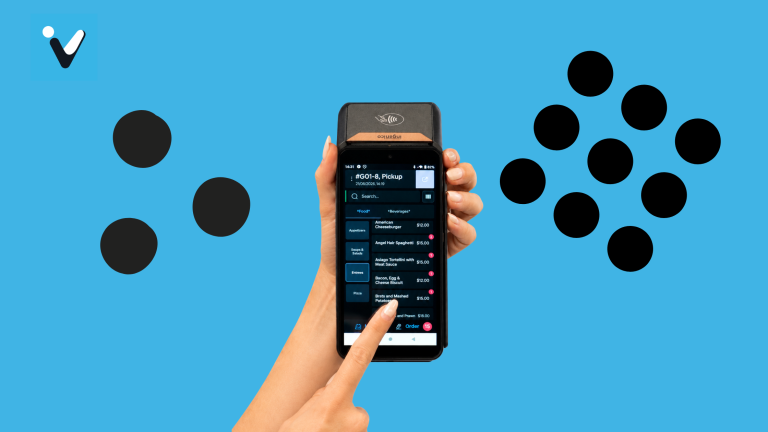
Healthy eating is being reshaped at the point of decision. In corporate office buildings and healthcare cafeterias, organizations are embedding badge pay, loyalty points, and reporting and data systems directly into the dining experience. Instead of relying on education alone, these environments use frictionless payments, instant incentives, and real-time insights to guide behavior. The result is a system where healthier choices are not just available, but actively encouraged, tracked, and continuously optimized.
These programs are not just perks. They are strategic systems that influence behavior, improve financial performance, and generate actionable insights.
The Evolution: From Cafeterias to Smart Food Ecosystems
Modern cafeterias are no longer passive service points. They are becoming technology-enabled environments where every transaction contributes to a broader wellness strategy.
Three key innovations are driving this shift:
- Badge pay systems that remove friction at checkout
- Loyalty points programs that incentivize healthier choices
- Reporting and data analytics that optimize operations and outcomes
Together, these elements transform food service into a measurable and influenceable system.
What Is a Healthy Eating Loyalty Program?
A healthy eating loyalty program rewards individuals for selecting nutritious meals using integrated payment and tracking systems.
Core Components
1. Badge Pay Integration
Employees or staff use ID badges or mobile credentials to pay for meals. This enables:
- Frictionless transactions
- Automatic tracking of purchases
- Seamless reward accumulation
- Individual association to transactions for data and reporting
2. Loyalty Points System
Users earn points for healthier choices such as:
- Purchasing labeled “healthy” menu items
- Meeting nutrition-based thresholds
- Participating in wellness challenges
- Selecting specific items over others (i.e. water over soda)
3. Reporting and Data Infrastructure
Operators gain access to:
- Real-time purchasing trends
- Nutritional behavior insights
- Program ROI and engagement metrics
Why Badge Pay Changes Everything
Traditional payment methods create friction. Badge pay removes it.
With badge-based systems:
- Transactions are faster, increasing throughput during peak hours
- Users are more likely to participate because there is no extra step
- Data collection becomes automatic and highly accurate
In corporate offices, this means employees are more likely to make quick, healthier decisions. In healthcare settings, it is critical for staff working under time pressure.
The easier the system, the higher the adoption rate.
Loyalty Points: Turning Intent Into Habit
Healthy eating often fails because the reward feels delayed. Loyalty points fix that.
How Loyalty Points Drive Behavior
- Immediate reinforcement: Users receive instant value for healthy choices
- Gamification: Streaks, tiers, and milestones increase engagement
- Perceived value: Even small rewards influence decision-making
- Redemption opportunity: Redeeming loyalty points provides a tangible benefit
Research in behavioral economics shows that immediate incentives significantly increase adherence to healthy behaviors (Volpp et al., 2008, JAMA).
In both corporate and healthcare cafeterias, loyalty points shift the decision from “What do I want?” to “What benefits me now and later?”
The Power of Reporting and Data
The most overlooked advantage of these programs is data visibility.
What Operators Can Track
- Healthy vs. non-healthy purchase ratios
- Peak times for healthy food consumption
- Individual and group participation rates
- Revenue impact of incentive programs
Why This Matters
1. Menu Optimization
Operators can adjust offerings based on actual demand, not assumptions.
2. Waste Reduction
Better forecasting reduces spoilage, especially for fresh items.
3. ROI Measurement
Organizations can directly link loyalty programs to:
- Increased cafeteria revenue
- Improved employee engagement
- Health initiative success metrics
A study by the Centers for Disease Control and Prevention (CDC) highlights that workplace wellness programs with measurable tracking systems are significantly more effective than those without structured data.
Impact of Loyalty Points in Corporate Office Buildings
Corporate environments benefit significantly from integrating badge pay and loyalty programs.
Key Outcomes
- Improved productivity: Better nutrition supports cognitive performance
- Higher engagement: Employees interact more with workplace amenities
- Stronger retention: Wellness-focused environments increase satisfaction
According to the Harvard T.H. Chan School of Public Health, access to healthier food options in workplaces is associated with improved dietary habits and reduced long-term health risks.
When combined with loyalty points and seamless payment, healthy choices become the default, not the exception.
Impact of Loyalty Points in Healthcare Cafeterias
Healthcare facilities have a dual responsibility: treat illness and model health.
Program Benefits
- Encourages staff to maintain energy during long shifts
- Aligns food services with clinical health goals
- Enhances patient and visitor trust
A report from the American Hospital Association (AHA) emphasizes that hospitals promoting healthy food environments see improved staff wellness and stronger community perception.
Badge pay is especially critical here. In high-pressure environments, speed and simplicity directly affect participation.
Financial and Operational Advantages
Healthy eating loyalty programs are not just wellness tools. They are revenue drivers.
Business Benefits
- Increased repeat purchases through loyalty engagement
- Higher average transaction value from incentivized items
- Stronger vendor partnerships with health-focused brands
- Reduced operational inefficiencies through data insights
According to Deloitte’s food service insights, data-driven cafeteria programs can improve operational efficiency by up to 15 percent when aligned with user behavior tracking.
Best Practices for Loyalty Points Program Implementation
To maximize success, organizations should focus on:
1. Seamless Badge Pay Integration
Make participation automatic. If users need an extra app or card, adoption drops.
2. Clear Definition of “Healthy”
Use simple labeling systems such as:
- Color coding
- Nutritional scoring
- Approved meal categories
- Icons or packaging that reflect the contents of the item
3. Meaningful Loyalty Rewards
Rewards should be:
- Easy to earn
- Clearly communicated
- Relevant to users
4. Robust Reporting Dashboards
Operators need real-time visibility into:
- Participation rates
- Sales trends
- Health impact metrics
5. Alignment With Wellness Programs
Integrate with:
- Corporate wellness initiatives
- Healthcare staff programs
- Insurance incentives where applicable
The Future: Data-Driven Food Environments with Loyalty Points
The next evolution of cafeteria systems will be fully integrated ecosystems where:
- Badge pay connects to wellness platforms
- Loyalty points tie into broader benefits programs
- Reporting and data feed into organizational health strategies
Artificial intelligence and predictive analytics will further enhance personalization, recommending meals based on past behavior and health goals.
Final Thoughts
Healthy eating loyalty programs powered by badge pay, loyalty points, and reporting/data systems are redefining how organizations approach food.
They remove friction, reward better choices, and provide the data needed to continuously improve.
In corporate offices, they drive productivity and engagement. In healthcare cafeterias, they reinforce the mission of wellness.
Most importantly, they turn everyday food decisions into measurable, meaningful outcomes.
Sources
- Volpp, K. G., et al. (2008). Financial incentive-based approaches for weight loss. Journal of the American Medical Association (JAMA)
- Centers for Disease Control and Prevention (CDC). Workplace Health Model
- Harvard T.H. Chan School of Public Health. Workplace Nutrition Research
- American Hospital Association (AHA). Healthy Food in Health Care Report
- Deloitte. Food Service Industry Insights and Data Analytics Report
Interested in seeing how Volanté’s retail dining technology could work in your building?
Reach out to Volanté at 1.877.490.6333 ext. 3.