Time to tackle the question every food service operator is asking: Should I invest in my own restaurant delivery & take-out platform, or use third party delivery services?
It’s a difficult question to answer, as food businesses remain divided about whether being on third party applications, such as Uber Eats, DoorDash and SkipTheDishes, is worth it, considering the fees.
To set a baseline for this article, let’s consider this statistic from 7shifts, a Canadian labor management company, who recently “found the average fee paid to aggregator services in 2020 was 18.4 percent. However, 30 percent of restaurants said they paid 30 percent or higher.”
There are certainly pros and cons to each of the avenues: in-house restaurant delivery and take-out versus third party delivery services, and it also depends on your target market, existing customers, and demographics.
PROS – Third Party Delivery
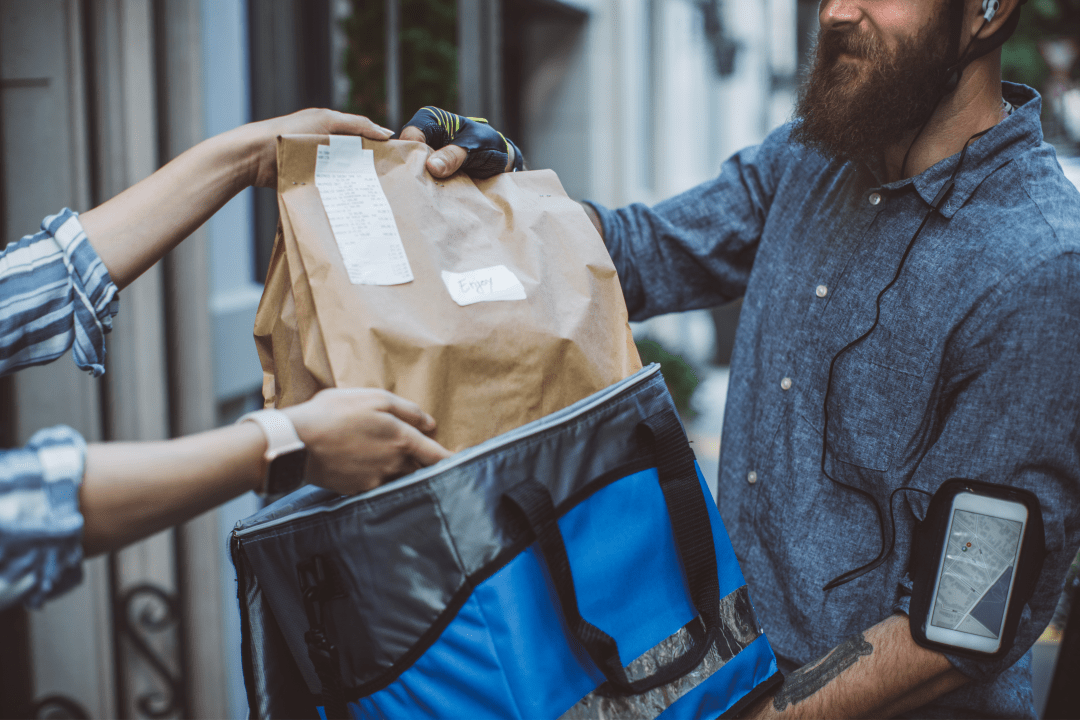
- Outsources delivery – Delivery infrastructure can be intimidating to manage, and third party delivery applications handle all of it for you, from delivery drivers to tracking. Subscribing to a third party application provides you with that infrastructure immediately, and factors in insurance, licenses, customer service, and gas. This is a huge advantage if you’re looking to get set up quickly, easily, and with less upfront costs.
- Increases exposure – With 63% of young adults using third party delivery services, reaching your audience is easy when you subscribe to third party applications. This puts your restaurant in front of people who may not otherwise have known you exist – which is a great bonus.
CONS – Third Party Delivery
- Substantial fees – With some fees as high as 30%, the already slim margins that restaurants experience are cut even thinner once you factor in these fees. In many cases, restaurants have had to increase their prices, which can impact guest likelihood to select your food, as well.
- Less control – Most restaurants prioritize the guest experience as part of their offering. When your restaurant ends up being consumed and managed on a third party application, you lose some of the communication and interaction with the end customer. You also lose control over the delivery process – so your food may arrive with packaging or temperature issues, to name a few.
- Other cons of third party delivery services may include longer wait times, higher average check sizes steering buyers away, and lack of customizability.
PROS – Native Restaurant Delivery Service: Application or Website
- Enhances your brand loyalty and recognition – A custom experience, surrounded by your logos, graphics, fonts, order flow, descriptions and other functionality, is going to help build brand recognition. You are no longer in the sea of restaurants on a third party platform, your web page or application stands alone and draws people in. You can also expand the platform beyond delivery, and attach loyalty points, reservations, and other capabilities such as blogs, content and activities. It can become more than an application – it can be a full restaurant online experience.
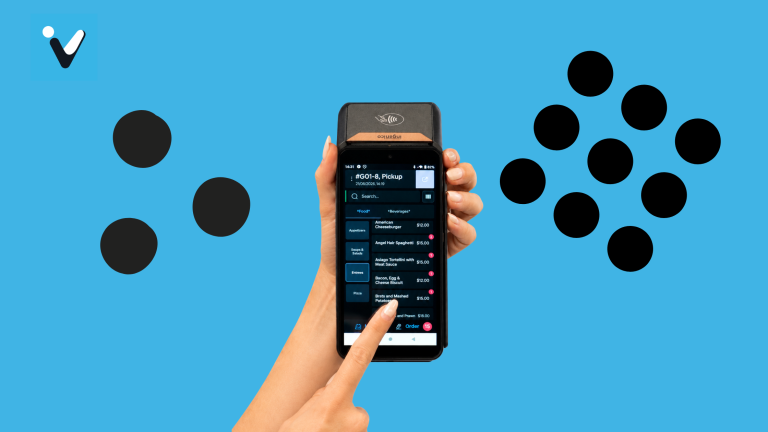
- Avoids third-party delivery fees – By taking your delivery in-house, you avoid third party delivery fees and commissions. This is a huge advantage, given the already slim margins on food. You will have to invest in the software development of the online solution, in addition to infrastructure to support delivery – such as drivers and hardware to take payments and receive orders – but these can have a strong ROI when done properly.
- Grants more control – Manage your own menu on the fly, change prices, push out marketing promotions whenever you want to your patrons, and more. Building and managing your own online ordering platform provides you with limitless potential and possibilities for customization, growth and scalability.
CONS – Native Restaurant Delivery Service: Application or Website
- Upfront costs – There will likely be costs associated with developing your own online ordering platform. This includes POS integration costs and platform hosting costs. You’ll also want to be mindful of the work involved with hiring and managing delivery teams.
With all that said, there are benefits to both solutions. Depending on your industry, demographics, target market, and other factors, you may want to consider a hybrid approach or consider the use of white label third party food delivery aggregators.