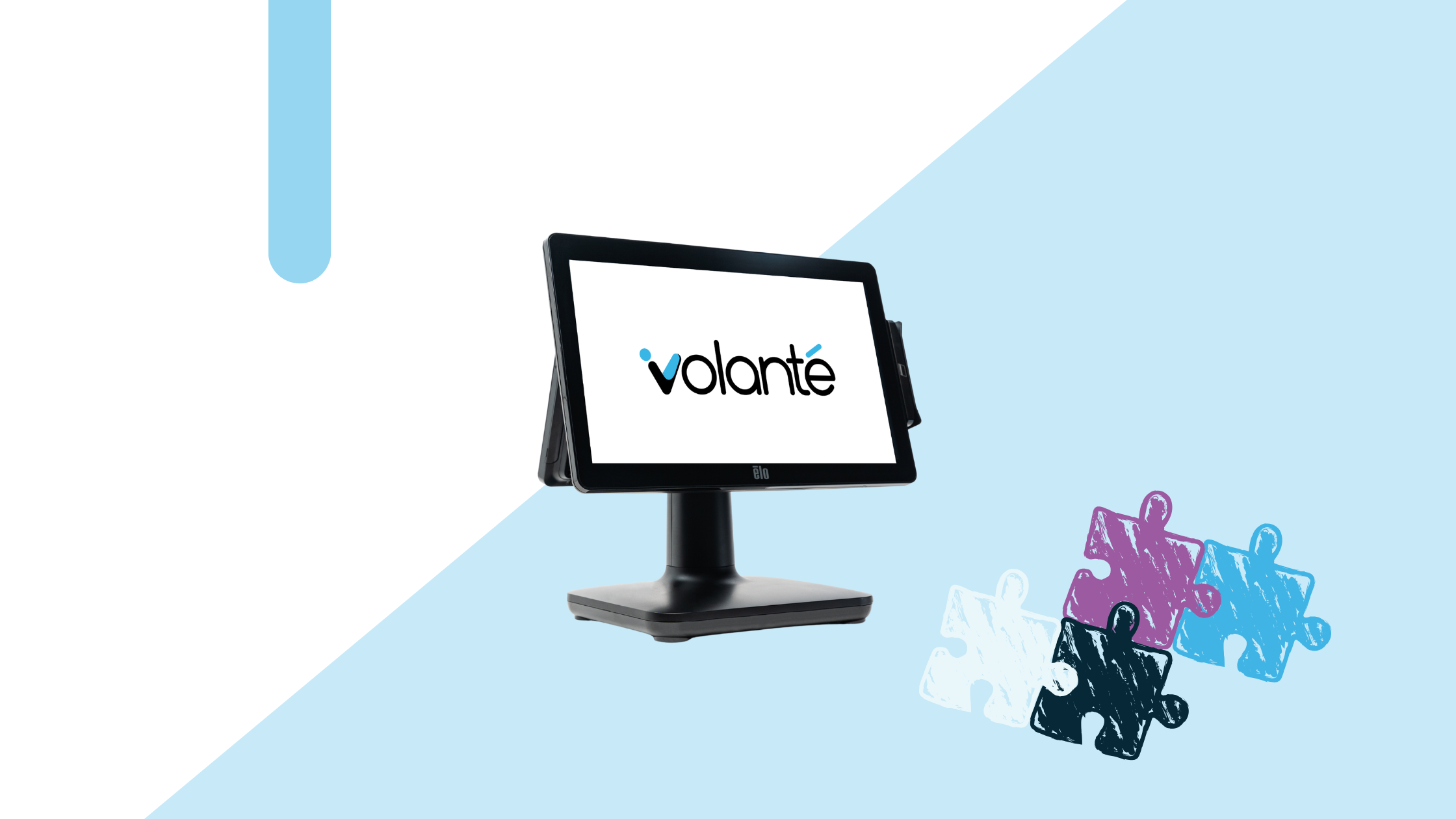
Quick guide: 6 reasons cafeteria POS systems fail enterprise foodservice
- POS System freezes during peak hours: A common issue when software lacks offline capability
- No badge pay or payroll deduction: Forces reliance on credit cards and cash handling
- Limited multi-location visibility: Creates data silos across sites
- Inability to handle meal plans and subsidies: Causes billing errors and reconciliation headaches
- Poor integration with existing enterprise systems: Leads to duplicate data entry and manual workarounds
- Outdated hardware prone to failure: Results in costly downtime during critical service windows
How we identified these common cafeteria POS breakdowns
We reviewed industry research, operator feedback, and documented case studies to identify the failure points that affect high-volume cafeteria environments most often. The focus was on POS systems serving hospitals, corporate campuses, higher education, and dining halls.

- Peak-hour performance: Can the system handle hundreds of transactions in a 30-minute lunch rush without lagging?
- Payment flexibility: Does it support badge pay, payroll deduction, declining balance accounts, and meal plans—not just credit cards?
- Centralized management: Can you update menus, pricing, and promotions across multiple locations from a single dashboard?
- Offline reliability: Does the system keep processing transactions when your internet connection drops?
- Reporting depth: Do you get real-time visibility into sales, labor, and throughput across every site?
- Integration capability: Will it connect with your HR systems, campus card platforms, and accounting software?
- Security and compliance: Is payment data protected with PCI compliance and point-to-point encryption?
Volanté Systems: Best overall cafeteria POS for enterprise foodservice
Volanté Systems builds its POS platform specifically for high-volume institutional dining environments. Hospitals, corporate cafeterias, and university dining halls rely on Volanté to keep lines moving and data flowing during the busiest service periods.
Unlike general-purpose restaurant POS systems, Volanté Systems gives you native support for badge pay, payroll deduction, meal plan management, and employer-funded subsidies. These features matter in enterprise foodservice settings where credit card processing alone creates bottlenecks and added fees.
Real-time reporting lets you monitor throughput, sales, and labor costs across all your locations from a browser-based dashboard. When you spot a problem at one site, you can investigate immediately instead of waiting for end-of-week reports. Volanté Systems delivers centralized control with the flexibility to adapt to each location’s unique needs.
Volanté Systems features
- Badge pay and payroll deduction: Staff tap their ID badge at checkout, with charges deducted from prepaid accounts or added to their next paycheck—no fumbling for wallets or waiting for card approvals.
- Centralized menu management: Update pricing, items, and promotions across all locations from a single interface in minutes rather than hours.
- Self-service kiosks: Expand checkout capacity during peak hours without adding registers or floor space, reducing wait times significantly.
- AI-powered item recognition: Cameras identify tray items automatically, speeding transactions and increasing throughput at grab-and-go stations.
- Subsidy and meal plan automation: Automatically apply the correct subsidy percentage based on employee department, shift time, or account type—eliminating billing errors.
- 24/7 support and onsite service: Get help when you need it, including hands-on support for deployments, upgrades, and troubleshooting.
The 6 most common cafeteria POS system failures
1. System freezes during peak hours: A reliability issue
Peak-hour system freezes rank among the most disruptive failures in high-volume cafeterias. When your POS lags or locks up during lunch rush, every second of delay multiplies across the queue. According to TapTouch POS research, even a 15-20 second delay per transaction can extend queues and reduce table turnover.
Many older systems depend heavily on stable internet connectivity. When bandwidth drops, performance follows.
The fix: choose a cafeteria POS system with reliable offline functionality so transactions continue processing even during internet disruptions.
Features
- Offline mode: Local transaction storage allows checkout to continue when the network drops, syncing data once connectivity returns.
- Hardware performance: Commercial-grade terminals handle sustained transaction volumes better than consumer tablets.
- Load testing capability: Systems should be tested under simulated peak load before deployment to identify bottlenecks early.
2. No badge pay or payroll deduction support
Cafeteria POS systems designed for restaurants often lack support for badge pay, payroll deduction, and declining balance accounts. This limitation forces enterprise foodservice operations to rely on cash and credit cards, which extends transaction times and increases processing fees.
The fix: badge pay allows employees to tap their ID badge at checkout instead of swiping a card or counting cash. The purchase amount either deducts from a prepaid account or adds to their next paycheck. In high-volume cafeteria environments where you need to serve hundreds of people in a 45-minute window, those seconds saved per transaction add up quickly.
Badge pay features
- Transaction speed: Badge pay eliminates wallet fumbling and card approval wait times, reducing checkout to a single tap.
- Processing cost: Payroll deduction bypasses credit card fees entirely, creating significant savings at scale.
- Account management: Staff can check balances, reload accounts, and view transaction history through self-service portals.
3. Limited multi-location visibility
For operators managing cafeterias across multiple buildings, campuses, or regions, disconnected POS systems create blind spots. Without centralized oversight, you cannot compare throughput rates between locations, identify underperforming menu items, or spot inventory discrepancies until they become costly problems.
According to a 2025 Crunchtime and Technomic research study, 80% of operators prioritize real-time visibility into data across labor, food costs, and compliance—but fewer than half actually have it. This visibility gap directly impacts profitability and guest experience.
The fix: a POS system that delivers real-time visibility and control across every location.
Multi-location visibility features
- Consolidated dashboards: View sales, throughput, and labor metrics across all locations simultaneously from one interface.
- Location comparison: Side-by-side performance analysis helps identify best practices and problem areas.
- Centralized menu control: Push pricing and item updates to every site at once, ensuring consistency.
4. Inability to handle meal plans and subsidies
Many enterprise cafeterias operate with employer-funded subsidies or meal plan programs. Hospitals might subsidize staff meals during overnight shifts. Corporations might cover a portion of daily lunch costs. Universities manage meal plan structures with different allowances for different student groups.
General-purpose restaurant POS systems rarely include native subsidy tracking. This forces manual calculations at checkout, creates billing errors, and makes reconciliation a monthly headache for finance teams.
The fix: a POS system with built-in subsidy and meal plan management that automatically applies funding rules, reduces errors, and simplifies reconciliation.
Meal plan and subsidy features
- Automatic subsidy application: The system applies the correct subsidy percentage based on account type, department, or shift time without cashier intervention.
- Balance tracking: Real-time visibility into remaining meal plan balances prevents over-spending and surprised diners.
- Reconciliation reporting: Automated reports show subsidy usage by department or cost center, matching your billing cycles.
5. Poor integration with enterprise systems
Your cafeteria POS does not operate in isolation. It needs to exchange data with HR systems for badge pay, accounting software for financial reporting, and inventory management platforms for supply chain coordination. When these systems do not communicate, you end up with duplicate data entry and manual reconciliation work.
According to Expert Market research, integration issues rank among the top five POS problems for foodservice operators. The solution: prioritize platforms with robust APIs and pre-built connectors for common enterprise systems.
The fix: a POS system with robust integration capabilities that connects seamlessly with your existing enterprise systems, reducing manual work and improving data accuracy.
Integration limitation features
- API availability: Open APIs allow connections with HR, accounting, and inventory systems without custom development.
- Pre-built connectors: Native integrations with common enterprise platforms reduce deployment time and cost.
- Data synchronization: Automated sync eliminates manual exports and imports between systems.
6. Outdated hardware prone to failure
Consumer-grade tablets and aging terminals frequently fail during the moments when you need them most. Industry benchmarks show that a single self-service kiosk in a high-traffic environment can process transactions worth significant revenue per hour during peak periods. When hardware fails, that revenue does not redistribute—a portion of guests abandon their purchase entirely rather than joining a staffed line.
Commercial-grade POS hardware designed for foodservice environments performs better under sustained transaction loads and includes features like spill resistance, superior heat dissipation, and longer lifecycle components.
The fix: invest in commercial-grade POS hardware built for foodservice environments, providing the reliability and durability needed to keep transactions flowing during peak periods.
Hardware features
- Commercial-grade terminals: Built for continuous operation in demanding environments with spill resistance and heat management.
- Proactive monitoring: Fleet management tools identify potential hardware issues before they cause downtime.
Comparison table: The best cafeteria POS solutions for enterprise foodservice
| Solution | Badge Pay Support | Offline Mode | Multi-Location Dashboard |
|---|---|---|---|
| Volanté Systems POS | ✓ | ✓ | ✓ |
| Generic Restaurant POS | ✗ | Varies | ✗ |
| Basic Cafeteria Register | ✗ | ✗ | ✗ |
What should you look for in a cafeteria payment system?
Selecting the right cafeteria payment system requires matching technology to your operational reality. Start by documenting your peak-hour transaction volumes, payment types you need to support, and integration requirements with existing enterprise systems.
Focus on vendors who understand institutional foodservice environments. A system designed for restaurants will not necessarily handle the unique requirements of corporate cafeterias, healthcare facilities, or higher education dining halls. Look for native support for badge pay, subsidy management, and payroll deduction—features that matter in institutional foodservice but rarely appear in restaurant-focused systems.
Test offline functionality specifically. Ask vendors to demonstrate what happens when the internet connection drops during a transaction. Your business continuity depends on the system’s ability to keep processing payments even when connectivity fails.
How do you reduce checkout times in high-volume cafeterias?
Checkout speed comes down to eliminating steps in the transaction process. Badge pay removes the time spent finding wallets and waiting for card approvals. Self-service kiosks expand checkout capacity without requiring additional staff or floor space.
Volanté Systems reduces queues and speeds up transactions with self-service kiosks and AI vision technology that recognizes items automatically. When cameras identify tray items instead of cashiers ringing up each item manually, transactions complete faster and throughput increases significantly.
Layout matters too. Position checkout stations near exit flow and create dedicated express lines for badge-pay customers. Analyze your transaction data to identify where backups occur, then address those specific bottlenecks.
Why Volanté Systems is the best cafeteria POS for enterprise foodservice
Enterprise cafeteria operations face challenges that generic restaurant POS systems cannot address. When you are serving thousands of employees and students across multiple buildings or campuses, you need technology built specifically for that environment.
Volanté Systems gives you enterprise-grade control with the flexibility to adapt to each location’s needs. Centralized menu management means a pricing change you make in the morning reaches every register by lunch. Real-time reporting gives you visibility into operations at every site, not just the one you happen to be visiting.
Badge pay and payroll deduction support sets Volanté apart from restaurant-focused alternatives. These payment methods speed checkout, reduce processing costs, and match how institutional dining actually works. When your staff can tap and go instead of waiting for card approvals, lines move faster and more people get served during tight lunch windows.
Interested in seeing how Volanté’s retail dining technology could work in your building? Reach out to Volanté at 1.877.490.6333 ext. 3.
FAQs about cafeteria POS system failures
What causes cafeteria POS systems to freeze during peak hours?
System freezes typically result from insufficient processing power, unstable internet connectivity, or outdated software. High transaction volumes during lunch rush can overwhelm systems not designed for peak-hour demand.
Volanté Systems builds its platform specifically for high-velocity environments, with offline capability that keeps transactions processing even when the network drops.
Why do enterprise cafeterias need badge pay support?
Badge pay eliminates the time employees spend finding wallets, swiping cards, and waiting for approvals. In a 45-minute lunch window serving hundreds of people, those seconds saved per transaction add up quickly.
Volanté Systems supports badge pay and payroll deduction natively, reducing checkout times and credit card processing fees.
How does poor integration affect cafeteria operations?
Disconnected systems force staff to enter data multiple times, increasing errors and administrative work. Your POS should exchange data automatically with HR, accounting, and inventory platforms.
Volanté Systems offers APIs and pre-built connectors that allow integration with common enterprise systems, eliminating manual data transfers.
Can outdated POS hardware affect cafeteria revenue?
Yes. When terminals fail during peak service, a portion of customers abandon their purchases rather than joining a longer staffed line. That lost revenue never appears on reports because the transaction was never captured.
Commercial-grade hardware designed for foodservice environments performs better under sustained loads and includes longer-lifecycle components.
What reporting capabilities should enterprise cafeteria POS systems include?
Look for real-time dashboards showing transactions, revenue, and throughput across all locations. You should be able to drill down from enterprise-wide views to individual location and register-level detail.
Volanté Systems delivers real-time, actionable analytics that let you track performance and make data-driven decisions about menus, staffing, and operations across your entire cafeteria network.