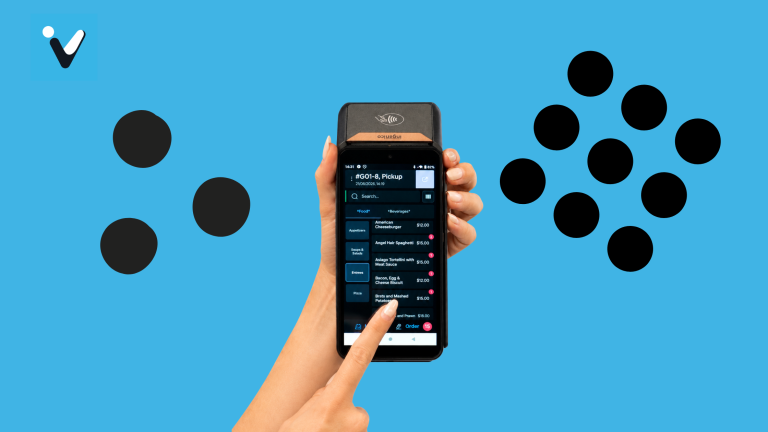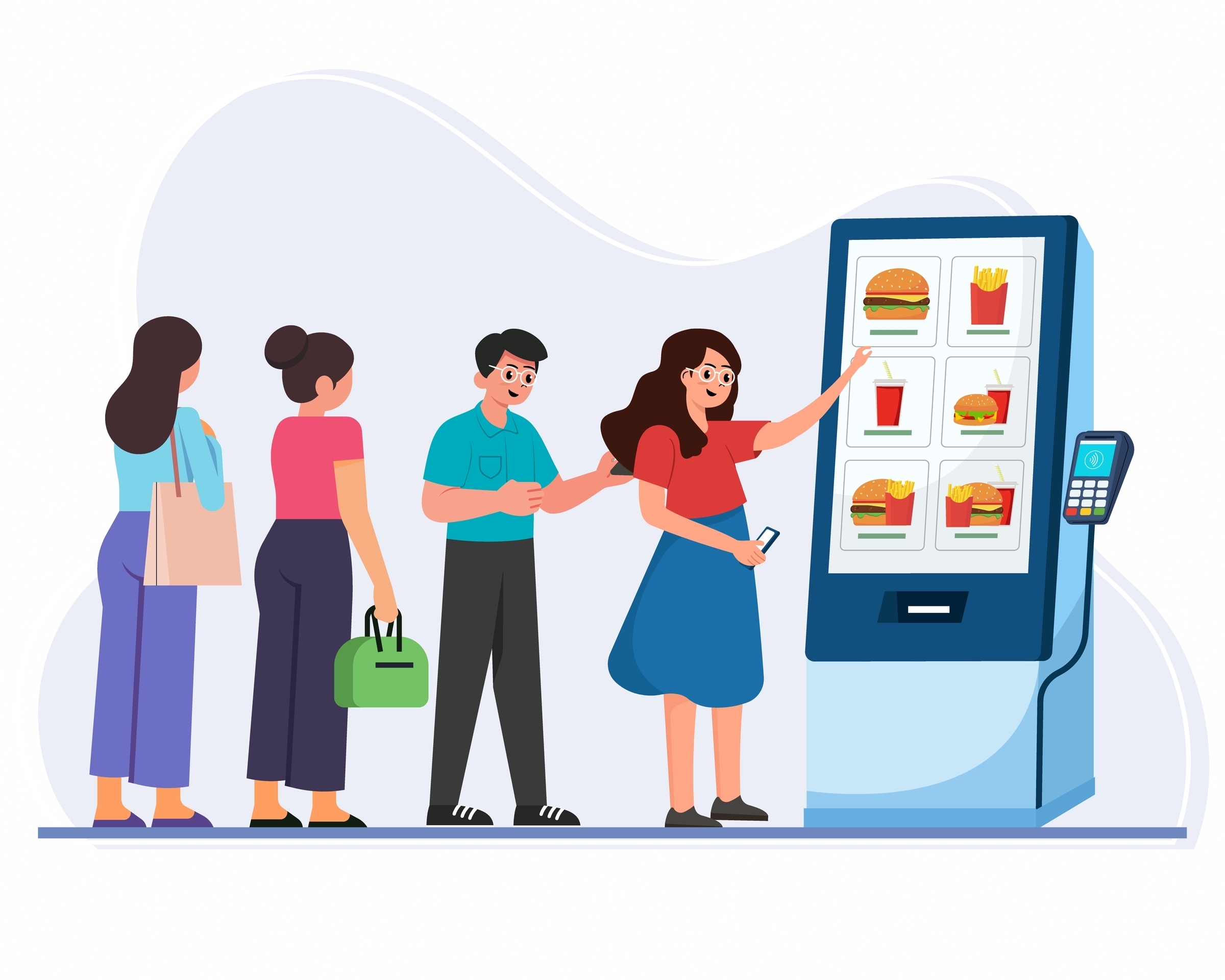
Cafeterias are no longer judged only by food quality. In healthcare systems, higher education campuses, and office buildings, the cafeteria point-of-sale experience now defines speed, satisfaction, and operational efficiency. From traditional cafeteria POS systems to self-service kiosks and digital ordering, the technology choices corporate dining leaders make directly influence efficiency, satisfaction, and overall cafeteria performance.
In 2026, outdated cafeteria POS systems create long lines, frustrated diners, and lost revenue. Modern cafeteria point-of-sale technology does the opposite. It removes friction, supports staffing challenges, and keeps people moving.
Here is what the data shows and why cafeteria POS decisions matter more than ever.
Why Cafeteria Point-of-Sale Matters Across All Institutional Dining
Cafeteria POS systems sit at the intersection of foodservice, technology, and experience. When they fail, everyone notices.
Industry data highlights the impact:
- 78 percent of healthcare workers say food access during shifts affects job satisfaction (Source: HFMA)
- 65 percent of employees say dining convenience influences how often they work on site (Source: Gallup)
- More than 70 percent of students say campus dining plays a major role in overall university experience (Source: NACUFS)
A modern cafeteria point-of-sale system supports faster transactions, flexible payment types, and accurate reporting. Without it, even good food feels inconvenient.
Long Lines Are a Cafeteria POS Problem First
Long wait times are often blamed on staffing or layout, but the root cause is frequently an outdated cafeteria POS.
Consider these operational realities:
- Peak cafeteria wait times average 8 to 14 minutes
- Hospital clinicians lose up to 45 minutes per shift navigating food access
- 42 percent of diners abandon cafeteria purchases due to long lines (Source: NCR)
A slow or inflexible cafeteria POS extends transaction times, creates backups, and reduces throughput during peak periods. Faster service starts at the point of sale, not the serving line.
Digital Ordering Starts With the Right Cafeteria POS
Digital ordering only works when it is fully integrated with the cafeteria point-of-sale and self check-out tools. The cafeteria space needs to support logical pick-up points, and properly balance in-person workflows with digital ordering experiences. The proper software will allow operators to configure transaction quantity limits, manage open and closed hours, and easily manage menus to ensure a smooth experience for patrons.
Key performance data shows:
- Over 60 percent of diners prefer mobile or kiosk ordering when available
- Self-checkout reduces transaction times by 30 to 50 percent
- Grab-and-go programs supported by modern cafeteria POS systems increase average spend by 18 to 25 percent
A modern cafeteria POS connects mobile ordering, kiosks, production data, and inventory. Without that connection, digital ordering becomes fragmented and unreliable. (Source: McKinsey and Company)
Cashless Payments Depend on Cafeteria POS Capabilities
Cashless dining via badge pay is now the standard across healthcare, higher education, and office campuses.
The data supports this shift:
- 85 percent of Gen Z and Millennial diners expect cashless payment options
- Badge pay and stored-value accounts reduce checkout time by up to 22 percent
- Cashless cafeterias experience fewer payment errors and less shrinkage
Only a modern cafeteria point-of-sale system can support badge pay, mobile wallets, payroll deduction, and stored value accounts at scale.
Labor Shortages Make Cafeteria POS More Important, Not Less
Foodservice labor shortages are not temporary, and cafeteria POS technology plays a key role in adapting.
Current trends include:
- Foodservice operations running with 10 to 15 percent fewer staff than pre-2020 levels
- Self-service and automation enabled by cafeteria POS reducing labor hours by 20 to 30 percent
- Market-style cafeterias using POS data to optimize product mix and staffing
A flexible cafeteria POS allows teams to do more with fewer resources while maintaining service quality.
What High-Performing Cafeterias Do Differently in 2026
Top-performing healthcare, higher education, and corporate dining programs treat cafeteria POS as a strategic asset, not just a register.
They consistently implement:
- Integrated mobile ordering tied directly to cafeteria point-of-sale
- Self-checkout for grab-and-go items
- Cashless and badge-based payments
- Real-time sales and inventory data
- Scalable setups designed for peak periods
The result is faster service, higher satisfaction, and better financial performance.
Final Takeaway
In 2026, cafeteria success depends heavily on the cafeteria point-of-sale and self-service kiosk experience.
Healthcare staff need speed.
Students expect convenience.
Office workers vote with their feet.
A modern cafeteria POS is no longer optional. It is the foundation for efficient service, accurate data, and a dining experience that respects time.
And no one misses the lunch line.
Interested in seeing how Volanté’s retail dining technology could work in your building?
Reach out to Volanté at 1.877.490.6333 ext. 3.